
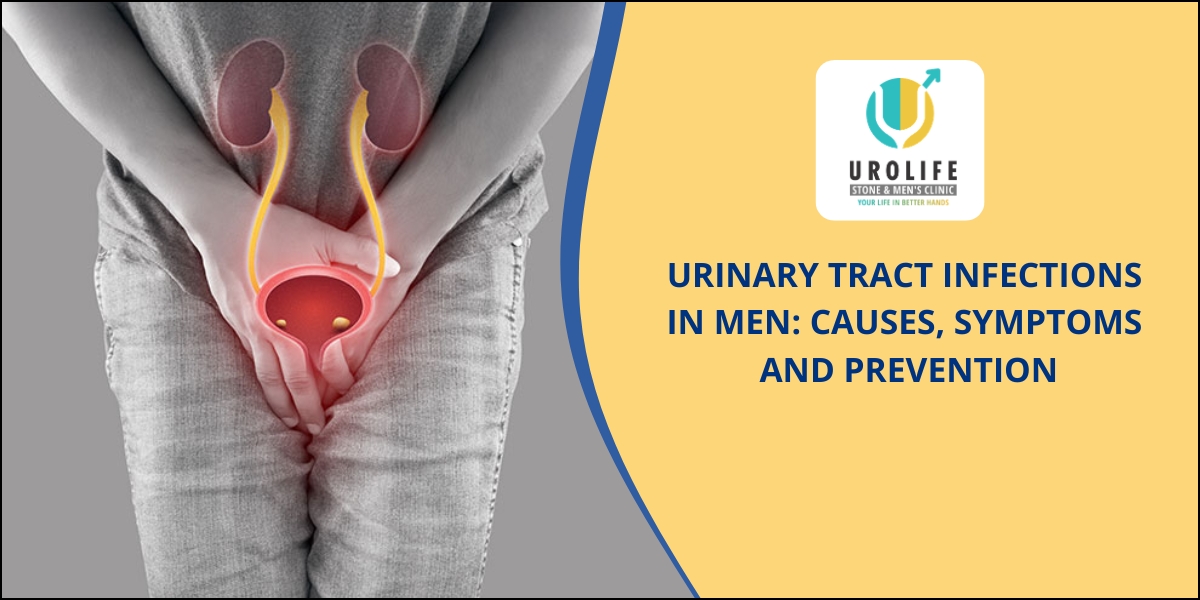
Urinary Tract Infections (UTIs) are often considered more common in women, but men can also develop UTIs, especially as they age. While UTIs in men are less frequent, they are often associated with underlying urinary tract problems and should never be ignored. Early diagnosis and proper treatment can prevent complications such as kidney infections, prostate infections, and recurrent urinary issues.
What is a Urinary Tract Infection (UTI)?
A Urinary Tract Infection (UTI) occurs when bacteria enter the urinary system and multiply. The infection may affect any part of the urinary tract, including:
- Kidneys
- Ureters
- Bladder
- Urethra
In men, UTIs commonly affect the bladder (cystitis) or the urethra (urethritis), but in some cases, the infection may spread to the kidneys or prostate gland if left untreated.
What Causes UTIs in Men?
The most common cause of a UTI is the bacterium Escherichia coli (E. coli), which normally lives in the intestines. The bacteria can enter the urinary tract through the urethra and cause infection.
Several factors increase the risk of developing UTIs in men, including:
1. Enlarged Prostate (BPH)
An enlarged prostate can block urine flow, making it difficult to empty the bladder completely. Stagnant urine allows bacteria to grow.
2. Kidney Stones
Kidney or bladder stones can obstruct urine flow and create an environment where bacteria thrive.
3. Diabetes
High blood sugar weakens the immune system and increases susceptibility to infections.
4. Poor Hydration
Not drinking enough water reduces urine production, allowing bacteria to remain in the urinary tract.
5. Urinary Catheters
Men using urinary catheters have a higher risk of bacterial infection.
6. Sexually Transmitted Infections (STIs)
Certain infections such as chlamydia and gonorrhea can mimic or contribute to urinary infections.
7. Weakened Immunity
Medical conditions or medications that suppress immunity increase infection risk.
Common Symptoms of UTIs in Men
Symptoms may vary depending on the severity of the infection. Common signs include:
- Burning sensation while urinating
- Frequent urge to urinate
- Passing small amounts of urine
- Cloudy or foul-smelling urine
- Blood in the urine (Hematuria)
- Pain in the lower abdomen or pelvic region
- Fever and chills
- Pain in the lower back or side (if kidneys are involved)
- Difficulty emptying the bladder
If you experience fever, severe back pain, or blood in urine, seek medical attention immediately.
Who is at Higher Risk?
Men are more likely to develop UTIs if they:
- Are above 50 years of age
- Have an enlarged prostate
- Have diabetes
- Have kidney stones
- Use urinary catheters
- Have urinary tract abnormalities
- Have a history of recurrent UTIs
- Have weakened immunity
How are UTIs Diagnosed?
A urologist may recommend several tests, including:
Urine Analysis
Checks for bacteria, white blood cells, and blood in urine.
Urine Culture
Identifies the exact bacteria causing the infection and determines the most effective antibiotic.
Ultrasound
Helps detect kidney stones, enlarged prostate, or urinary obstruction.
CT Scan
Recommended if complicated infections or kidney stones are suspected.
Cystoscopy
A small camera is inserted into the bladder to examine the urinary tract in recurrent or complicated cases.
Treatment for UTIs in Men
Treatment depends on the severity and underlying cause.
Antibiotics
The primary treatment is a course of antibiotics prescribed based on urine culture results.
Pain Relief
Medications may be prescribed to reduce discomfort during urination.
Increased Fluid Intake
Drinking plenty of water helps flush bacteria from the urinary tract.
Treating the Underlying Cause
If the infection is caused by an enlarged prostate, kidney stones, or urinary blockage, treating these conditions helps prevent recurrence.
How to Prevent UTIs in Men
Prevention plays a crucial role in reducing the risk of urinary infections.
Here are some simple preventive measures:
- Drink 2–3 liters of water daily
- Never hold urine for long periods
- Maintain proper personal hygiene
- Manage diabetes effectively
- Empty the bladder completely while urinating
- Practice safe sexual habits
- Avoid unnecessary catheter use
- Seek timely treatment for prostate enlargement or kidney stones
Possible Complications of Untreated UTIs
Ignoring urinary tract infections can lead to serious complications such as:
- Kidney infection (Pyelonephritis)
- Chronic prostatitis
- Kidney damage
- Recurrent UTIs
- Bloodstream infection (Sepsis) in severe cases
Early diagnosis significantly reduces these risks.
When Should You See a Urologist?
Consult a urologist if you experience:
- Burning during urination lasting more than 24–48 hours
- Blood in urine
- Fever with urinary symptoms
- Severe lower back pain
- Frequent or recurrent UTIs
- Difficulty passing urine
Prompt medical evaluation helps prevent complications and ensures appropriate treatment.
Urinary tract infections in men should never be overlooked. While they may seem like a minor health issue initially, untreated infections can lead to serious complications involving the kidneys and prostate. Recognizing the early symptoms, seeking prompt medical care, and addressing underlying causes are essential for effective treatment and long-term urinary health. Maintaining good hydration, practicing proper hygiene, and undergoing regular health check-ups can significantly reduce the risk of recurrent UTIs.
About Dr. Irfan Shaikh – One of the Best Urologist in Pune
If you are experiencing symptoms of a urinary tract infection or recurrent urinary problems, Dr. Irfan Shaikh, a leading Urologist in Pune, offers expert diagnosis and personalized treatment at Urolife Clinic Pune. With extensive experience in managing urinary tract infections, kidney stones, prostate disorders, and other urological conditions, Dr. Shaikh provides evidence-based care using advanced diagnostic techniques and modern treatment options. Whether you require prompt UTI Treatment in Pune or comprehensive urological care, Urolife Clinic is committed to helping you achieve better urinary health with compassionate and patient-focused treatment.
Frequently Asked Questions (FAQs)
Can young men get UTIs?
Yes. Although less common, young men can develop UTIs due to dehydration, urinary obstruction, kidney stones, STIs, or poor hygiene.
Are UTIs contagious?
No. UTIs themselves are not contagious, but certain sexually transmitted infections can cause similar urinary symptoms.
Can a UTI go away without antibiotics?
Mild symptoms may improve temporarily, but most UTIs in men require antibiotics because they are often considered complicated infections.
How long does recovery take?
Most patients begin feeling better within 2–3 days of starting antibiotics, but it’s essential to complete the full prescribed course.
Can UTIs recur?
Yes. Recurrent UTIs are common if underlying issues such as enlarged prostate, kidney stones, or diabetes are not treated.