
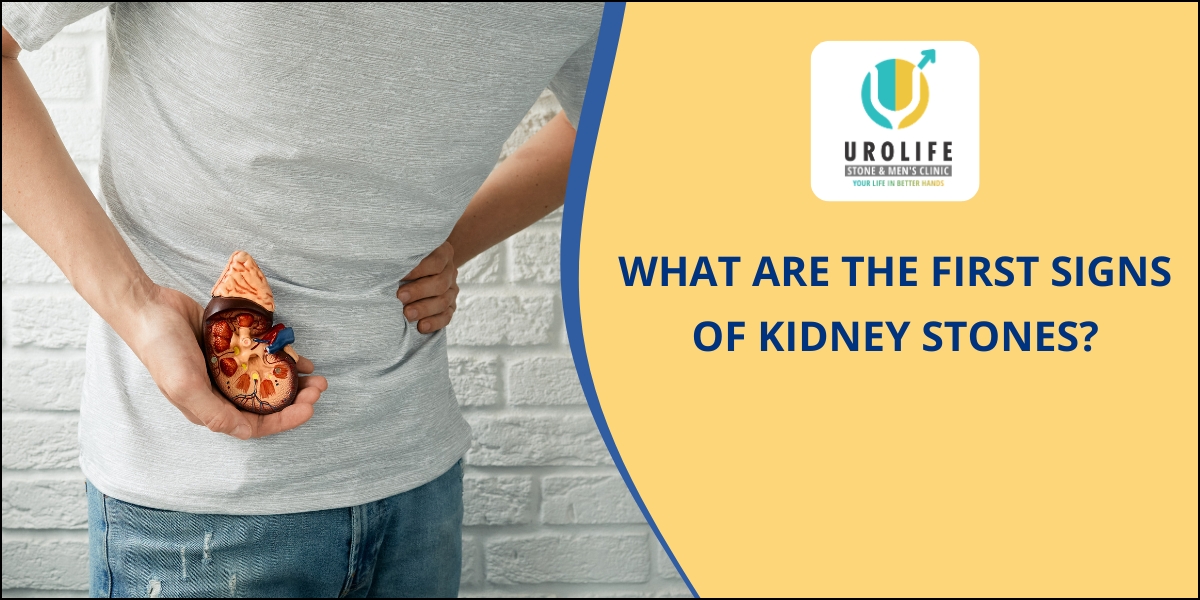
Kidney stones are more common than you think. In fact, about 1 in every 10 people will get a kidney stone at some point in their life . But here is the tricky part: most people have no idea they have one until it decides to “move.”
If a stone stays quietly in your kidney, you might never feel it. But when it breaks loose and starts traveling through the narrow tubes that carry your urine, that is when your body starts sending warning signals .
So, what are the first signs that something is wrong? Let’s break it down in very simple terms.
1. The Pain: It Starts in Your Back or Side
The first and most unforgettable sign of a kidney stone is pain. This isn’t a dull ache you get from sitting too long. It’s usually a sharp, cramping pain that hits suddenly.
- Where it starts: You will usually feel it in your flank—that is the area on either side of your lower back, just under your ribs .
- Where it moves: The pain doesn’t always stay in one place. As the stone moves down the tube (ureter) toward your bladder, the pain may travel around to your lower belly or groin area.
This pain often comes in waves. It can be severe for a while, then ease up for a bit. This happens because the tube sometimes gets blocked by the stone and then relaxes.
2. A Burning Sensation While Peeing
If it suddenly hurts or burns when you pass urine, it could be a sign that the stone has moved down to the bottom part of your urinary tract . This feeling is sometimes confused with a simple Urinary Tract Infection (UTI), but if it is combined with back pain, a stone is likely the culprit.
3. You Feel the Urge to Go… All the Time
Do you feel like you need to rush to the bathroom constantly? A kidney stone can irritate your bladder, making you feel urgent or frequent, even if only a little bit of urine comes out . This happens when the stone is near the lower end of the ureter, close to the bladder.
4. Changes in Your Urine: Color and Smell
Pay attention to what you see in the toilet. There are two big changes to watch for:
- Blood in the urine: Your urine might look pink, red, or brownish. Even if you can’t see blood with your eye, a doctor can find it with a simple test. This happens because the hard stone scrapes against the lining of your urinary tract .
- Cloudy or bad-smelling urine: This can sometimes mean there is an infection brewing around the stone, which needs urgent medical care.
5. Feeling Sick to Your Stomach
You might be surprised, but kidney stones can upset your stomach. The intense pain can trigger nerves that also affect your digestive system, leading to nausea or even vomiting.
6. Fever and Chills: A Red Alert
If you have a fever along with these other signs, do not wait. A fever means your body is fighting an infection, and a kidney stone with an infection can become dangerous very quickly. This requires immediate medical attention.
A Quick Summary of First Signs
To make it easy, here is a checklist of the earliest signs:
- Sudden, sharp pain in your back or lower side (flank pain).
- Pain that moves to your lower belly or groin.
- Burning or pain while urinating.
- Needing to pee more often or urgently.
- Seeing pink or red color in your urine.
- Feeling nauseous or vomiting.
But Remember: Sometimes, No Symptoms at All
It is possible to have a kidney stone and not know it. Small stones, sometimes called “silent stones,” can pass through your system without causing any pain . You might only find out about them if you get an X-ray or ultrasound for something else.
When Should You Call the Doctor?
While small stones can pass on their own, you shouldn’t ignore the pain. You should see a doctor if:
- The pain is so severe you can’t sit still or find a comfortable position.
- You have pain along with nausea, vomiting, or fever.
- You see blood in your urine.
- You have trouble passing urine .
Get Expert Kidney Stone Treatment in Pune at Urolife Clinic
If you are experiencing any of these symptoms and are looking for expert advice, consulting a specialist is the best step forward.
Dr. Irfan Shaikh – Kidney Stone Specialist in Pune, is a renowned consultant urologist with over 18+ years of experience . Practicing at Urolife Clinic in Pune, Dr. Irfan Shaikh specializes in the advanced treatment of kidney stones using modern, minimally invasive techniques .
Frequently Asked Questions (FAQs) About Kidney Stones
Here are 5 common questions people ask on Google about the first signs of kidney stones:
1. How do you know if you have kidney stones in the early stages?
In the very early stages, you might feel a mild, nagging ache in your lower back or side. Sometimes, the first clue isn’t pain at all—it might be noticing that your urine looks a little pink or cloudy, or feeling a slight burning sensation when you urinate .
2. Where is kidney stone pain located?
Kidney stone pain usually starts in the flank, which is the area on your back, just below your ribs and above your waist. It is usually on just one side. As the stone moves, this pain can travel (radiate) around to the front of your lower abdomen and down toward your groin .
3. Does a kidney stone cause blood in urine?
Yes, it is very common. When a kidney stone moves, it can scratch the lining of your kidney or the ureter. This causes bleeding, which turns your urine pink, red, or brownish. This symptom is called hematuria .
4. Can kidney stones make you feel sick to your stomach?
Yes, absolutely. The intense, severe pain caused by a kidney stone can trigger a nerve response that leads to nausea and vomiting. If you are in severe pain and throwing up, it is a sign you need medical help .
5. When should I go to the hospital for kidney stone symptoms?
You should go to the emergency room immediately if you have:
- Severe pain that makes it impossible to sit still.
- Pain accompanied by fever and chills (signs of infection).
- Severe nausea or vomiting that prevents you from keeping fluids down.
- Inability to urinate at all.